Best Cash Back Credit Card for Beginners in 2026

Last updated: August 2026
Getting your first cash back credit card can feel more complicated than it should be. Card comparison sites throw dozens of options at you rotating categories, welcome bonuses, annual fees, credit score requirements and most of that noise doesn’t matter yet if you’ve never had a card before. What matters for a beginner is simpler: can you actually get approved, will it cost you anything to keep, and will it help (not hurt) your credit while you learn the basics.
This guide breaks beginners into three realistic starting points no credit history, limited or fair credit, and good credit but a first «real» card and recommends the best cash back option for each, based on current terms as reported by major card issuers and review sites.
Editorial note: We are not financial advisors. This article is for general informational purposes only and is not financial, legal, or credit advice. Approval odds, rates, and rewards depend on your individual credit profile and the issuer’s current underwriting criteria, which change without notice. Always confirm current terms on the issuer’s official site before applying. This post may contain affiliate links; if you apply through one, we may earn a commission at no extra cost to you, which never affects our analysis.
Quick Answer: Which Card Fits Your Starting Point?
| Your situation | Best pick | Why |
|---|---|---|
| No credit history at all | Chase Freedom Rise® or a secured card (Discover it® Secured, Capital One Quicksilver Secured) | Designed specifically for thin or no credit files |
| Limited/fair credit, want simplicity | Capital One QuicksilverOne | Flat 1.5% cash back, easier approval odds than prime cards |
| Good credit, first real rewards card | Discover it® Cash Back | $0 annual fee, 5% rotating categories, and a first-year Cashback Match that can double your first-year earnings |
| Student with at least a thin credit file | Discover it® Student Cash Back | Same structure as the standard Discover it, plus student-specific perks |
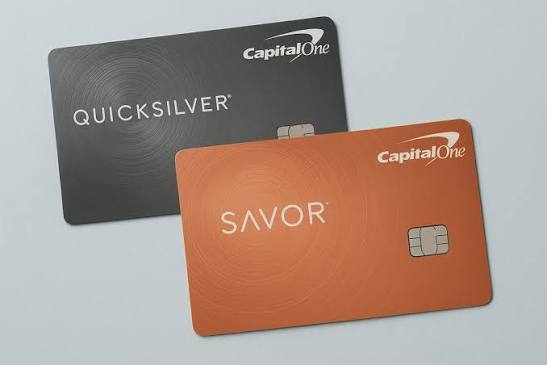
| Want the simplest possible flat rate | Capital One Quicksilver (unsecured) | 1.5% flat cash back, no categories to track, $0 annual fee |
1. If You Have No Credit History at All
If you’ve never had a credit card, a loan, or any account that reports to the credit bureaus, most standard rewards cards will reject you outright not because you’re a bad candidate, but because there’s no file for the issuer to evaluate. Two realistic paths exist here:
Chase Freedom Rise® is built specifically for people with no or very limited credit history. It carries a $0 annual fee and earns cash back on purchases, with Chase reviewing accounts for an automatic upgrade path as your credit history builds. Keeping a small balance in a Chase checking or savings account can also improve approval odds when applying.
Secured cash back cards are the more universally available option. Cards like the Discover it® Secured Credit Card or a Capital One secured product ask for a refundable deposit (commonly starting around $200), which becomes your credit limit. In exchange, approval odds are very high regardless of credit history, and the account still reports to all three credit bureaus every month. Discover’s secured card also carries the same first-year Cashback Match as its unsecured sibling, so even a beginner card can earn real rewards.
The single most important habit at this stage isn’t the rewards rate it’s paying the full statement balance on time, every month. That’s what actually builds the credit history you’ll use to qualify for stronger cards later.
2. If You Have Limited or Fair Credit
If you have a thin credit file maybe one card, a phone plan, or a few months of on-time payments you’re in a middle zone. You may not qualify for the best-known cash back cards yet, but you’re not limited to secured cards either.
Capital One QuicksilverOne Cash Rewards Credit Card is built for exactly this profile. It earns a flat 1.5% cash back on every purchase, with no rotating categories to track, plus 5% back on hotels, vacation rentals, and rental cars booked through Capital One Travel. The tradeoff is a $39 annual fee, since the card is aimed at fair-credit applicants rather than prime borrowers. Capital One automatically reviews accounts for credit line increases, typically starting around the six-month mark, which can also open the door to graduating to a no-fee card later.
If your credit profile improves faster than expected, it’s worth checking whether you now qualify for the no-fee Capital One Quicksilver (see below) before renewing the QuicksilverOne for another year.
3. If You Have Good Credit and Want Your First Real Rewards Card
Once you have a solid credit history even a relatively short one a wider set of well-known cash back cards opens up. For beginners in this bracket, two cards stand out for very different reasons.
Discover it® Cash Back Best Overall Beginner Pick
This is one of the most recommended first «real» cards, and for a specific reason: the Cashback Match. Discover automatically matches all the cash back you earn during your first cardmember year, with no cap and no extra steps required. The card earns 5% cash back on quarterly rotating categories (commonly things like grocery stores, gas stations, restaurants, or select online retailers, up to $1,500 in combined spending per quarter after free activation), and 1% on everything else.
Combined with the year-one match, that effectively makes your first year worth up to 10% in the active categories and about 2% everywhere else a genuinely strong return for a card with a $0 annual fee and no foreign transaction fee. The catch is real: you have to remember to activate each quarter’s category, the $1,500 quarterly cap limits very high spenders, and Discover isn’t accepted quite as widely as Visa or Mastercard, especially outside the U.S.
For a beginner who pays their balance in full every month and doesn’t mind a five-minute quarterly reminder to activate categories, Discover it Cash Back is hard to beat in year one.
Capital One Quicksilver (unsecured) Best for Total Simplicity
If rotating categories sound like more effort than you want, the unsecured Capital One Quicksilver Cash Rewards Credit Card is the «set it and forget it» alternative. It earns an unlimited flat 1.5% cash back on every purchase with no categories, no activation, and no annual fee, plus a welcome bonus of a one-time cash reward after meeting a modest spending requirement in the first few months. It also currently comes with an introductory 0% APR period on purchases and balance transfers, useful if you’re financing an early purchase though carrying a balance long-term will typically cost more in interest than any cash back rate returns.
This card requires good to excellent credit, so it’s better suited to a beginner whose credit is already established than to someone with a completely blank file.
Discover it® Student Cash Back Best for Students
Students with even a thin credit file have a strong option in the student version of Discover’s flagship card. It mirrors the standard Discover it Cash Back — 5% rotating categories up to a quarterly cap, 1% on everything else, $0 annual fee and layers on the same first-year Cashback Match, plus student-oriented perks. For a typical student spending pattern, the year-one match can meaningfully boost total rewards for very little extra effort.
What Actually Matters When You’re Starting Out
Beginners often over-focus on the cash back percentage and under-focus on the things that protect them financially:
- No annual fee, unless the math clearly works. A $39 fee (like QuicksilverOne) can be worth it if it’s genuinely your only realistic option for building credit with rewards attached but move to a no-fee card as soon as you qualify.
- Reports to all three credit bureaus. This should be non-negotiable for a first card; it’s the entire point of building a credit history.
- Avoid carrying a balance. Every card on this list has a standard variable APR well above 15–20%+ once any introductory period ends. Cash back rewards are meaningless if interest charges outweigh them pay the statement balance in full every month.
- A clear upgrade path. Look for issuers (Chase, Capital One, Discover, and others commonly do this) that automatically review your account for credit line increases or product upgrades after a set period of responsible use.
- Low or no foreign transaction fees, if you expect to travel though for most beginners this is a secondary concern compared to fees and approval odds.
Frequently Asked Questions
What credit score do I need for a beginner cash back card? It depends entirely on the card. Secured cards and cards like Chase Freedom Rise generally don’t require an existing score at all. Cards like Capital One QuicksilverOne target fair credit. Cards like Discover it Cash Back and the unsecured Capital One Quicksilver typically require good to excellent credit. If you’re not sure where you stand, checking your free credit report is a useful first step before applying.
Will applying for a beginner card hurt my credit score? A single application typically triggers a hard inquiry, which can cause a small, temporary dip in your score. Many issuers now let you check your approval odds or personalized offer with only a soft inquiry before you formally apply, so it’s worth using that feature when available.
Is a secured card worth it if I can qualify for an unsecured card instead? Generally no if you already qualify for an unsecured no-fee card, there’s little reason to tie up a refundable deposit in a secured card. Secured cards exist specifically to serve people who can’t yet qualify for unsecured products.
How long does it take to «graduate» from a beginner card to a better one? This varies by issuer and by how responsibly the account is used, but many issuers begin automatic credit line or product reviews within six to twelve months of on-time payments and reasonable utilization.
Can I have more than one cash back card as a beginner? Yes, once you’ve built some history, but most beginners are better served by mastering one card first paying it off in full every month before adding a second.
Rates, fees, and offers mentioned above reflect terms reported as of July 2026 and are subject to change by each issuer at any time. Always verify current rates, fees, and eligibility requirements on the issuer’s official website before applying. This article does not constitute financial, legal, or credit advice.