PayPal Cashback Mastercard vs. a Flat 2% Cash Back Card: Which Actually Pays More?
Last updated: July 2026
On paper, the PayPal Cashback Mastercard looks like it should beat a flat-rate 2% card every time — 3% cash back sounds better than 2%. But that 3% only applies when you check out with PayPal specifically, and everything else on the card earns just 1.5%, a full half a point below what a card like Citi Double Cash pays on literally everything. Whether the PayPal card actually wins depends entirely on how much of your spending realistically goes through PayPal at checkout — and the math has a clear break-even point.
Editorial note: We are not financial advisors. This article is for general informational purposes only and does not constitute financial advice. Card terms, rates, and offers are set by each issuer and change frequently — always confirm current rates, fees, and terms directly on the issuer’s official site before applying. This post may contain affiliate links; if you apply through one, we may earn a commission at no extra cost to you. That relationship never influences our analysis.
Quick Comparison Table
| PayPal Cashback Mastercard | Citi Double Cash (flat 2% benchmark) | |
|---|---|---|
| Annual fee | $0 | $0 |
| Rate when paying through PayPal | 3% | 2% |
| Rate everywhere else | 1.5% | 2% |
| Welcome offer | None | $200 after $1,500 spent in 6 months |
| Intro APR | None | 0% on balance transfers for 18 months |
| Foreign transaction fee | 3% | 3% |
| Redemption | To PayPal balance, bank account, or debit card | Statement credit, direct deposit, or gift cards |
| Requires a PayPal account | Yes | No |
| Credit needed | Fair to good | Good to excellent |
PayPal Cashback Mastercard: A Bonus for PayPal-Heavy Spenders
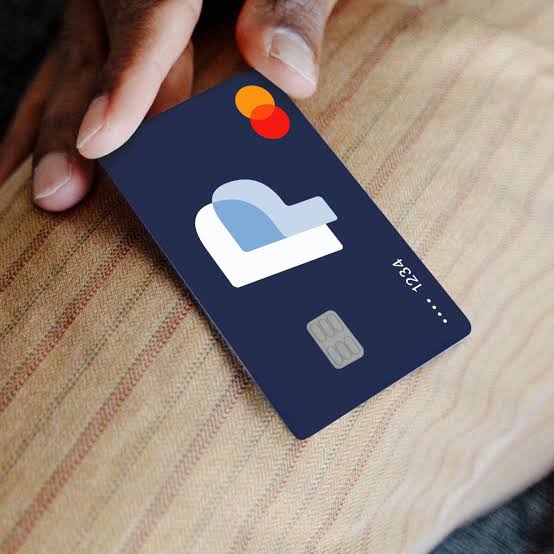
The card’s structure is simple: unlimited 3% cash back whenever you choose PayPal at checkout and pay with this card, and 1.5% on every other purchase, wherever Mastercard is accepted, with a $0 annual fee and no rotating categories to manage. Sending money to friends or family through PayPal using the card also counts as a purchase (not a cash advance), which means routine PayPal transfers earn the 3% rate too.
The tradeoffs are notable: there’s no welcome bonus, no introductory APR offer, and the ongoing purchase APR runs quite high (commonly cited in the high-teens to low-30s percent range depending on creditworthiness), so this card only makes sense for people who pay their balance in full every month. You’ll also need an active PayPal account to apply, and not every retailer offers PayPal as a checkout option, which limits how often you can actually capture that 3% rate.
Flat 2% Cards: Citi Double Cash and Wells Fargo Active Cash
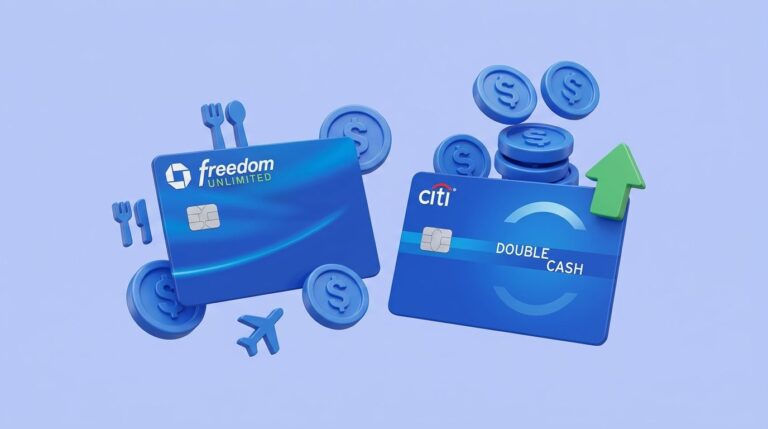
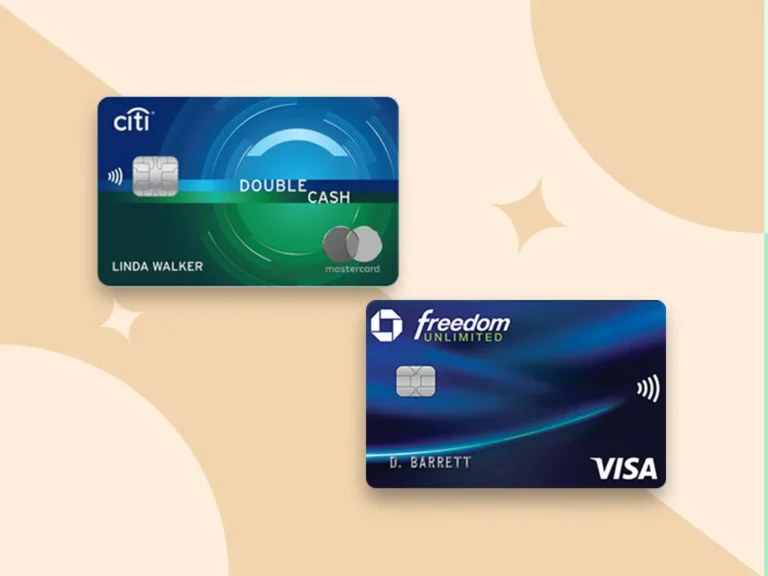
Cards like Citi Double Cash and Wells Fargo Active Cash take the opposite approach: one flat 2% rate on every purchase, everywhere, with no PayPal requirement and no category restrictions. Citi Double Cash’s 2% is technically structured as 1% earned at purchase and 1% earned as you pay it off, while Wells Fargo Active Cash pays the full 2% immediately — a subtle difference in timing but not in the final amount you get back. Both come with welcome bonuses (Citi Double Cash’s is currently $200 after $1,500 in spending within six months; Active Cash’s is $200 after $500 in three months) and introductory APR periods that PayPal’s card doesn’t offer at all.
Since both flat-rate cards pay 2% regardless of where or how you shop, there’s no need to route specific purchases through a certain checkout method to earn the higher rate.
The Break-Even Math: How Much of Your Spending Needs to Go Through PayPal?
This is the calculation that actually answers the question. If a fraction of your spending, call it «P,» goes through PayPal checkout at 3%, and the rest goes through elsewhere at 1.5%, your blended rate is:
Blended rate = 1.5% + (1.5 percentage points × P)
Setting that equal to a flat 2% card’s rate and solving shows the break-even point: you need to route at least about one-third (33%) of your total card spending through PayPal checkout for the PayPal Cashback Mastercard to match a flat 2% card. Beyond that third, PayPal’s card pulls ahead; below it, the flat 2% card wins.
A concrete example: someone spending $2,000 a month total, with $700 of that (35%) going through PayPal checkout, would earn $21 at 3% on the PayPal portion plus $19.50 at 1.5% on the remaining $1,300 — a total of $40.50. A flat 2% card would earn exactly $40 on the same $2,000. That’s a narrow win for PayPal in this scenario, but it illustrates how close the math is — and how much it depends on genuinely knowing what share of your spending flows through PayPal versus a store’s own checkout, in-person card swipes, or a different digital wallet entirely.
For most people who don’t specifically track or maximize PayPal checkout usage, a flat 2% card is the safer, typically higher-earning default — the 33% threshold is a meaningfully large share of total spending to hit consistently.
Which Card Should You Choose?
Pick the PayPal Cashback Mastercard if:
- A large share of your online shopping already goes through PayPal at checkout (online marketplaces, smaller retailers, or sites where PayPal is a primary payment option)
- You regularly send money to friends or family through PayPal and want that spending to earn rewards too
- You’re comfortable with a card that offers no welcome bonus or intro APR in exchange for the PayPal-specific rate
Pick a flat 2% card like Citi Double Cash or Wells Fargo Active Cash if:
- Your spending is spread across many payment methods and checkout types, not concentrated through PayPal
- You want a welcome bonus and an introductory APR period
- You want the simplicity of never having to think about which checkout method you used
For many people, the ideal setup is actually holding both: the PayPal Cashback Mastercard specifically for purchases where PayPal checkout is available, and a flat 2% card as the default for everything else — since neither card charges an annual fee, there’s no cost to carrying both.
Frequently Asked Questions
Does the PayPal Cashback Mastercard’s 3% rate apply to in-person purchases? No — the 3% rate applies specifically when you choose PayPal as the checkout method and pay with this card. In-person purchases where you simply swipe or tap the physical card, without going through PayPal’s checkout flow, earn the base 1.5% rate.
Can I have both a flat 2% card and the PayPal Cashback Mastercard? Yes, and since neither charges an annual fee, holding both and directing spending to whichever earns more for a given purchase is a low-cost strategy.
Is the PayPal Cashback Mastercard’s high APR a dealbreaker? It only matters if you carry a balance. If you pay your statement in full every month, the APR is irrelevant to your rewards math — but if there’s any chance you’ll carry debt, the interest charges on this card’s APR range can quickly outweigh any cash back earned.
Do I need an existing PayPal account to apply for this card? Yes, an active PayPal account is required to apply, though you can open one for free if you don’t already have one.
Which card has better redemption options? It depends on your preference — the PayPal Cashback Mastercard redeems directly to your PayPal balance, bank account, or linked debit card, while flat 2% cards like Citi Double Cash and Wells Fargo Active Cash typically offer statement credits, direct deposit, or gift card options. Neither is clearly superior; it comes down to whether you’d rather have the cash inside your PayPal account or elsewhere.
Rates, fees, and offers mentioned above reflect terms available as of July 2026 and are subject to change by each issuer at any time. Always verify current rates and fees on the issuer’s official website before applying. This article does not constitute financial, legal, or tax advice.