Best Secured Cash Back Credit Card in 2026
Last updated: July 2026
Most secured credit cards exist purely to build credit — you put down a refundable deposit, use the card responsibly, and earn no rewards at all in exchange. A smaller group of secured cards actually pays cash back on top of that, which means you can build your credit history and earn real money back at the same time. Here’s which ones are actually worth it right now, including an important availability change affecting one of the most commonly recommended options.
Editorial note: We are not financial advisors. This article is for general informational purposes only and does not constitute financial advice. Card terms, deposit requirements, and offers are set by each issuer and change frequently — always confirm current terms directly on the issuer’s official site before applying. This post may contain affiliate links; if you apply through one, we may earn a commission at no extra cost to you. That relationship never influences our analysis.
Important Update: Discover it Secured Is Currently Unavailable
Before comparing cards, one thing needs to be flagged clearly: Discover it Secured — long considered one of the best rewards secured cards on the market — stopped accepting new applications on June 2, 2026, as part of the integration following Capital One’s acquisition of Discover. Capital One has indicated it plans to relaunch the card later in 2026, but as of this writing it is not open to new applicants. If you already hold this card, it should continue operating under its existing terms; check with the issuer for the latest status. We’ve kept its normal terms below for context and because it may return, but for anyone applying today, the picks below are what’s actually available.
Quick Comparison Table
| Card | Rewards | Security deposit | Annual fee | Effort required |
|---|---|---|---|---|
| Capital One Quicksilver Secured | 1.5% flat on everything; 5% on Capital One Travel bookings | $200 minimum | $0 | None — flat rate, no categories |
| U.S. Bank Cash+ Secured Visa | Up to 5% on two categories you choose + 2% on one everyday category (quarterly, on a combined cap) | $300–$5,000 | $0 | Moderate — requires quarterly category enrollment |
| Discover it Secured (currently unavailable to new applicants) | 2% at gas stations and restaurants (up to a cap), 1% elsewhere; first-year Cashback Match | $200 minimum | $0 | Low |
Capital One Quicksilver Secured — Best Overall Pick Right Now
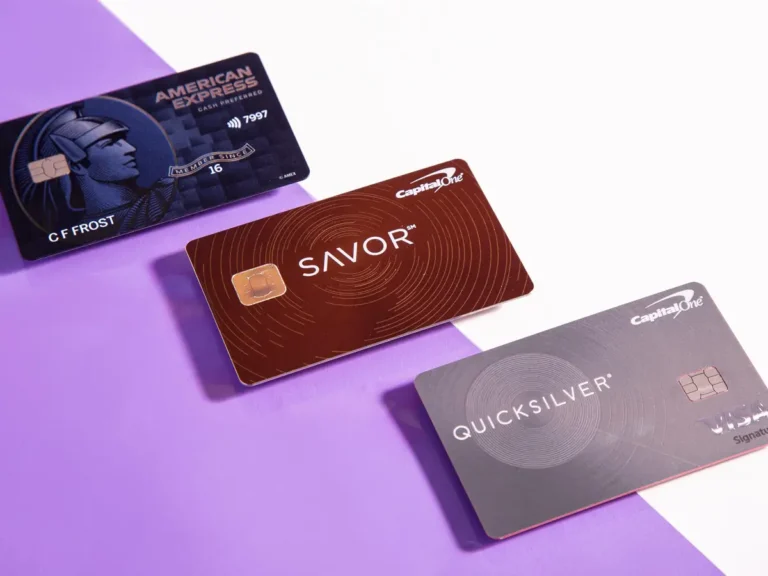
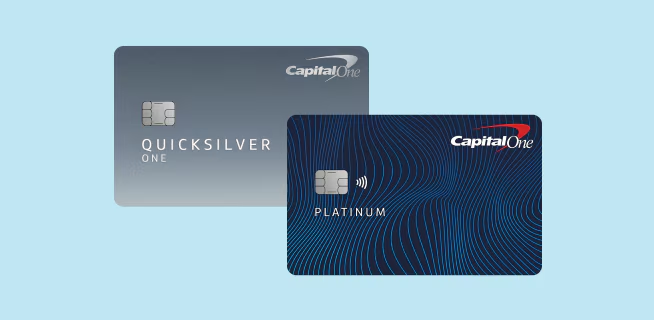
With Discover it Secured paused, the Capital One Quicksilver Secured Cash Rewards Credit Card is the strongest secured cash back card currently open to new applicants. It earns an unlimited flat 1.5% cash back on every purchase — no categories, no activation, no spending cap — plus 5% cash back on hotels, vacation rentals, and rental cars booked through Capital One Travel. The minimum security deposit is $200, there’s no annual fee, and Capital One periodically reviews accounts for a credit line increase or an upgrade path to the unsecured Quicksilver card, at which point your deposit is refunded.
One thing worth knowing: Capital One has scaled back the specific, advertised «automatic review at seven months» language it used to feature prominently, though account reviews and upgrade paths still occur — just with less public transparency about the exact timeline. It’s still a strong, simple choice for anyone who wants to build credit and earn a real cash back rate without any ongoing effort.
U.S. Bank Cash+ Secured Visa — Most Rewarding, If You’re Willing to Manage It
If you want the highest possible cash back rate from a secured card and don’t mind a bit of quarterly upkeep, U.S. Bank Cash+ Secured is the more generous option. It pays up to 5% cash back on two categories of your choosing each quarter (on the first $2,000 in combined spending across those two categories) and 2% on one additional everyday category you also select, with 1% on everything else. Categories must be re-enrolled each quarter, or purchases default to the base 1% rate.
The security deposit range is wider — $300 to $5,000 — which means your starting credit limit can be higher than Quicksilver Secured’s $200 minimum, but that also means a larger amount of your own cash tied up as collateral. Rewards expire 36 months after they’re earned, and there’s a 3% foreign transaction fee, so this isn’t a travel card. For someone who wants to actively optimize a secured card the way they might a full rewards card, this is the more powerful — if more hands-on — choice.
Discover it Secured — Strong Terms, But Not Currently Open
Under its normal terms, Discover it Secured earned 2% cash back at gas stations and restaurants (up to a quarterly cap) and 1% on everything else, backed by the same first-year Cashback Match that makes Discover’s unsecured cards popular — doubling all cash back earned during the first cardmember year. It required a $200 minimum deposit and included an automatic review around month seven for a possible transition to an unsecured line of credit and return of the deposit.
If it does relaunch later in 2026 as Capital One has indicated, it’s worth revisiting — the combination of a modest category bonus and an uncapped first-year match was genuinely strong for a secured card. For now, it simply isn’t an option for new applicants.
How to Choose Between the Available Options
- Want the simplest possible secured card with zero maintenance? Capital One Quicksilver Secured’s flat 1.5% requires nothing beyond swiping the card.
- Want to maximize rewards and don’t mind logging in every quarter? U.S. Bank Cash+ Secured’s up-to-5% categories can out-earn Quicksilver Secured if your spending concentrates in your chosen categories.
- Have a smaller amount available for a deposit? Quicksilver Secured’s $200 minimum is more accessible than Cash+ Secured’s $300 floor.
- Want the largest possible starting credit limit? U.S. Bank Cash+ Secured allows deposits up to $5,000, useful if you have the funds and want a higher limit from day one (which can also help your credit utilization ratio).
What Matters More Than the Rewards Rate
For any secured card, the reward rate is a nice bonus — but these factors matter more for actually building credit:
- Reports to all three credit bureaus. Confirm this directly; it’s the entire point of a secured card.
- A clear path to an unsecured upgrade, so you’re not stuck putting down a new deposit indefinitely.
- No annual fee, since paying a fee on top of a tied-up deposit erodes any rewards you’d earn.
- Paying in full every month. Secured cards typically carry high variable APRs once any introductory period ends; cash back rewards are meaningless next to interest charges on a carried balance.
Frequently Asked Questions
Is it worth choosing a secured card based on cash back rewards, or should I prioritize other factors? Credit-building fundamentals — bureau reporting, fee structure, and an upgrade path — should come first. Rewards are a genuine bonus among secured cards specifically because most secured cards offer none at all, but they shouldn’t be the deciding factor over a card that better fits your deposit budget or credit-building timeline.
Will Discover it Secured come back? Capital One has indicated a relaunch is planned later in 2026, but no confirmed date has been announced as of this writing. Check Capital One and Discover’s official channels for updates before assuming a specific timeline.
Do I get my deposit back if I upgrade to an unsecured card? Generally yes, based on current issuer practices — when you’re approved for an upgrade to an unsecured version of a card (or your account is closed in good standing with no balance owed), the security deposit is typically refunded. Confirm the specific process with your issuer.
Can I add more money to my secured card’s deposit later to increase my limit? Some issuers, including U.S. Bank, allow additional deposits to raise your credit limit, subject to their maximum deposit amount and a possible credit check. Confirm this option and any related credit pull with your specific issuer.
Is a secured card with rewards worth it if I could instead choose a card like the Chase Freedom Rise, which has no deposit at all? It depends on whether you can qualify for a no-deposit option like Chase Freedom Rise, which is designed for thin or no credit files. If you can get approved without a deposit, that avoids tying up cash entirely — secured cards are more useful when a no-deposit option isn’t yet within reach.
Rates, fees, deposit requirements, and offers mentioned above reflect terms available as of July 2026 and are subject to change by each issuer at any time. Always verify current availability, rates, and fees on the issuer’s official website before applying. This article does not constitute financial, legal, or tax advice.