Best Cash Back Credit Card for Streaming Services in 2026

Last updated: September 2026
Between Netflix, Disney+, Hulu, Max, Spotify, and everything else, the average U.S. household now spends more than $60 a month on streaming subscriptions over $700 a year. Almost everyone charges those subscriptions to a card on autopay and never thinks about it again, which means most people are earning the generic 1% while a handful of cash back cards would pay them 3–6% on the exact same charges.
Here’s which cash back cards actually reward streaming spend, how their eligible-service lists differ, and which one wins depending on how much you spend and whether you’re willing to pay an annual fee.
Editorial note: We are not financial advisors. This article is for general informational purposes only and does not constitute financial advice. Card terms, rates, and offers are set by each issuer and change frequently always confirm current rates, fees, and terms directly on the issuer’s official site before applying. This post may contain affiliate links; if you apply through one, we may earn a commission at no extra cost to you. That relationship never influences our analysis.
Quick Comparison Table
| Card | Streaming rate | Annual fee | Extra streaming perk | Credit needed |
|---|---|---|---|---|
| Amex Blue Cash Preferred | 6% (on up to $6,000/year combined with other 6% categories, then 1%) | $0 intro, then $95 | Up to $120/year in Disney+, Hulu, or ESPN+ statement credits (enrollment required) | Good to excellent |
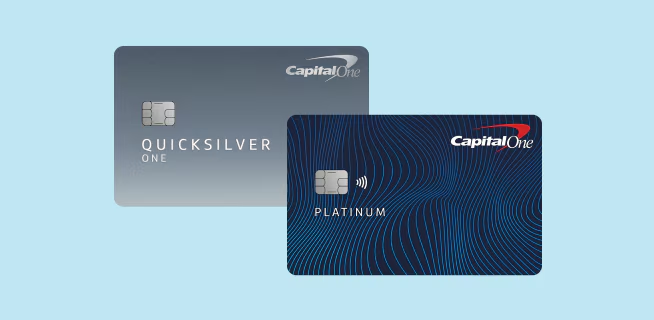
| Capital One Savor | 3% (uncapped) | $0 | None, but pairs with 3% dining/groceries/entertainment | Excellent |
| Capital One SavorOne | 3% (uncapped) | $39 | Same as Savor | Fair to good |
| Discover it Cash Back | 5% only when streaming is an active quarterly category (up to $1,500/quarter) | $0 | First-year Cashback Match doubles all rewards | Good |
Amex Blue Cash Preferred Highest Ongoing Rate
The Blue Cash Preferred® Card from American Express pays 6% cash back on select U.S. streaming subscriptions the highest ongoing flat rate available on a mainstream cash back card shared under the same $6,000-a-year combined cap as its 6% U.S. supermarket category (after which the rate drops to 1%). Eligible services commonly cited by the issuer include major names like Netflix, Disney+, Hulu, and YouTube TV, though the exact list is set by Amex and can change, so it’s worth confirming a specific service qualifies before assuming it does.
On top of the 6% rate, cardholders who enroll can also get up to $10 back per month (up to $120 a year) as a statement credit toward a Disney+, Hulu, or ESPN+ subscription a benefit that can offset a meaningful chunk of a typical streaming bundle by itself.
The tradeoff is the $95 annual fee that kicks in after the first year. For a household with $50–80 a month split across two or three streaming services, the 6% rate alone (roughly $36–58 a year) plus the Disney credit can outweigh the fee, especially when combined with the card’s other strong categories like groceries and gas see our full Amex Blue Cash Preferred vs. Blue Cash Everyday comparison for the complete break-even math.
Capital One Savor Best No-Fee Option
If you don’t want to deal with an annual fee or a spending cap, Capital One Savor earns an uncapped 3% cash back on popular streaming services, with no annual fee at all. The issuer’s eligible-service list is broad, commonly cited to include names like Netflix, Hulu, Disney+, Spotify, Apple Music, HBO Max, ESPN+, and Sling TV, though it also excludes a handful of services like Verizon FIOS On Demand and certain audiobook or fitness subscriptions worth checking if your particular bundle is niche.
The same 3% rate also applies to dining, groceries (excluding superstores), and entertainment, which makes this a strong general-purpose card rather than a streaming-only pick. Since there’s no fee, 3% is pure upside regardless of how much you spend on streaming specifically.
Capital One SavorOne Same Rate, Lower Credit Bar
SavorOne earns the identical uncapped 3% on streaming (plus dining, groceries, and entertainment) as the no-fee Savor card, but carries a $39 annual fee and accepts a broader range of credit profiles, including fair credit. As with the dining and grocery comparisons, there’s rarely a reason to keep paying SavorOne’s fee once you qualify for the identical no-fee Savor card but it’s a reasonable stepping stone if Savor isn’t within reach yet.
Discover it Cash Back Only When Streaming Is the Active Category
Discover it Cash Back earns 5% cash back on quarterly rotating categories, up to $1,500 in combined spending per quarter after free activation, and streaming has appeared as one of those categories in past quarters (for example, alongside grocery stores and wholesale clubs in a recent Q1). The catch is that streaming isn’t a permanent category on this card it only earns the bonus rate during the specific quarter it’s featured, and 1% the rest of the year.
Where this card genuinely shines for a first-year cardholder is the Cashback Match: Discover automatically doubles all the cash back earned during your first cardmember year, with no cap. If you happen to be in your first year and streaming lines up with an active quarter, the effective return that quarter can reach 10%. Outside of that window, it’s not a dedicated streaming card the way Blue Cash Preferred or Savor are.
How to Decide
- If streaming is a big, steady monthly cost and you don’t mind a fee: Amex Blue Cash Preferred’s 6% rate plus the Disney credit is the highest ongoing return available, especially if you already qualify for its grocery and gas categories too.
- If you want simplicity with zero fee: Capital One Savor’s uncapped 3% covers streaming without any cap, activation, or annual cost.
- If your credit isn’t at excellent yet: SavorOne offers the same 3% as Savor for a modest $39 fee while you build toward the no-fee version.
- If you’re a new cardholder and streaming happens to be an active quarterly category: Discover it Cash Back’s first-year match can make that quarter’s rate the strongest of any card on this list just don’t rely on it being a permanent bonus category.
Frequently Asked Questions
Does every card treat the same streaming services as eligible? No. Each issuer maintains its own list of qualifying merchants, and the lists differ some card issuers explicitly exclude certain services (for example, some fitness or audiobook subscriptions), even if the platform is technically a «streaming» service in the everyday sense. Always check the current eligible-merchant list on the issuer’s site rather than assuming a specific app qualifies.
Is the Amex Blue Cash Preferred’s $95 fee worth it just for streaming? On streaming alone, usually not unless your streaming spend is unusually high the fee is better justified by combining the 6% streaming rate with the card’s 6% U.S. supermarket category, since both share the same annual cap and add up faster together.
Do these cash back rates apply to bundled subscriptions, like a Disney+/Hulu/ESPN+ bundle? It depends on how the merchant bills the bundle. If it’s billed as a single qualifying merchant charge, it typically qualifies for the bonus rate but confirm with your issuer, since billing structures can change.
Can I stack the Amex Disney streaming credit with the 6% cash back rate? Yes, based on current terms, the up-to-$120-a-year Disney+, Hulu, or ESPN+ statement credit is a separate benefit from the 6% cash back category, so eligible cardholders can receive both on the same qualifying subscription (enrollment required for the credit).
Is there a card that gives free streaming subscriptions instead of cash back? Not currently among mainstream cash back cards. What exists instead are cash back rates and statement credits that offset a subscription’s cost no card provides a streaming service entirely free as a standing benefit.
Rates, fees, and offers mentioned above reflect terms available as of July 2026 and are subject to change by each issuer at any time. Always verify current rates, fees, and eligible-merchant lists on the issuer’s official website before applying. This article does not constitute financial, legal, or tax advice.