Best Cash Back Credit Card for a Family of 4 in 2026
Last updated: July 2026
A family of four spends differently than a single person or a couple — more groceries, more gas across two cars and school runs, multiple streaming subscriptions, regular restaurant and takeout nights, and often a recurring Costco or Sam’s Club run. A single flat-rate 1.5–2% card leaves a lot of that spending under-rewarded, because groceries and streaming alone can be worth 6% on the right card.
This guide breaks down which cash back cards actually reward a typical family’s spending pattern, including the specific scenario where your family shops at a wholesale club — because that changes the answer.
Editorial note: We are not financial advisors. This article is for general informational purposes only and does not constitute financial advice. Card terms, rates, and offers are set by each issuer and change frequently — always confirm current rates, fees, and terms directly on the issuer’s official site before applying. This post may contain affiliate links; if you apply through one, we may earn a commission at no extra cost to you. That relationship never influences our analysis.
Quick Answer by Family Scenario
| Your family’s situation | Best pick |
|---|---|
| High grocery bill at regular supermarkets, multiple streaming subs | Amex Blue Cash Preferred |
| Regular Costco or Sam’s Club shopper | Bank of America Customized Cash Rewards |
| Want one no-fee card that covers groceries, dining, and streaming | Capital One Savor |
| Want maximum flexibility to change your top category monthly | Bank of America Customized Cash Rewards |
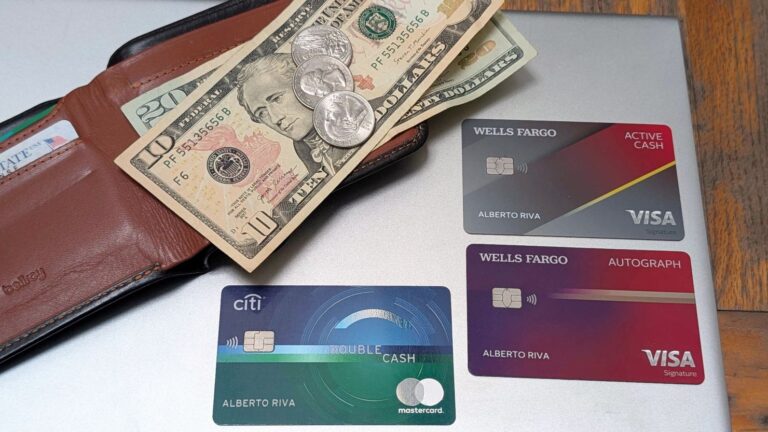
| Want a simple flat-rate card to pair with a specialist card | Citi Double Cash or Wells Fargo Active Cash |
Amex Blue Cash Preferred — Best for Grocery-Heavy Households
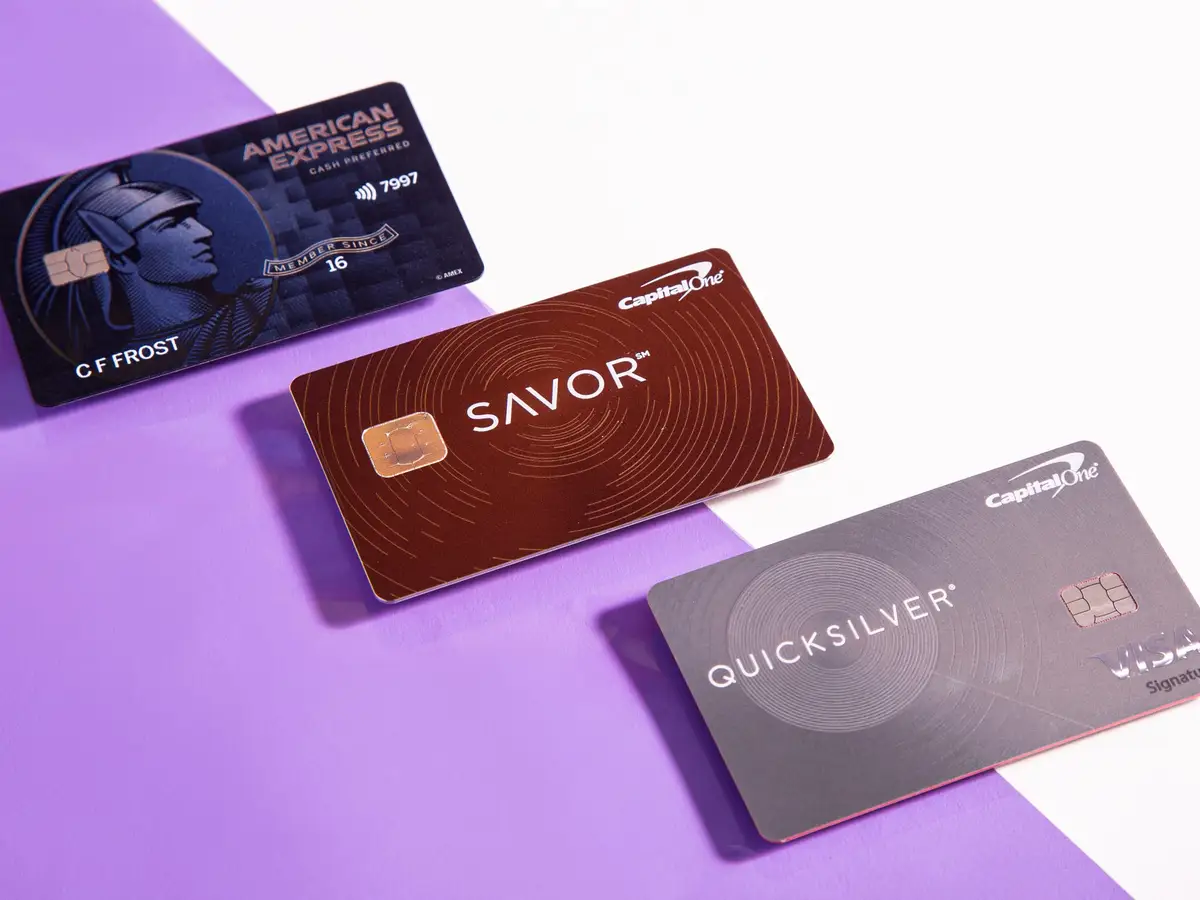
For a typical family, groceries are usually the single largest recurring expense, and this is where the Blue Cash Preferred® Card from American Express separates itself: 6% cash back at U.S. supermarkets on up to $6,000 in spending per year (about $500 a month), then 1% after that. It also pays 6% on select U.S. streaming subscriptions and 3% at gas stations, which covers three of the biggest categories in a family budget at once.
Here’s why the $95 annual fee (after a $0 first year) is easy to justify for most families: if your household spends anywhere close to $500 a month at supermarkets, the 6% rate versus a generic 1% card is worth about $300 a year from groceries alone — more than three times the fee before counting streaming or gas. Add two or three streaming subscriptions at 6% instead of 1%, and the gap widens further.
The one exception to watch for: like most cards in this category, Blue Cash Preferred’s «supermarket» bonus generally excludes superstores and wholesale clubs like Walmart, Target, Costco, and Sam’s Club. If your family does most of its shopping at one of those instead of a traditional supermarket, this card’s headline rate won’t apply to your biggest expense — see the next section.
Bank of America Customized Cash Rewards — Best for Wholesale Club Families
If Saturday mornings mean a Costco or Sam’s Club run, this card fills the gap Blue Cash Preferred leaves open: it pays 2% cash back at grocery stores and wholesale clubs, specifically, alongside a choice category that earns 3% (6% in your first year) — selectable from options like online shopping, dining, gas and EV charging, travel, drugstores, or home improvement, and changeable once per calendar month.
The catch is a shared $2,500 quarterly cap across both the wholesale club/grocery spending and your chosen category combined — after that, everything drops to 1% until the quarter resets. For a family with steady but not extreme spending, that cap is often enough; for very high spenders, it caps out faster than a card like Blue Cash Preferred’s higher individual limits. The flexibility to reassign your 3–6% category monthly is genuinely useful for a family with seasonal spending swings — dining in the summer, home improvement during a renovation month, gas during a road trip.
Capital One Savor — Best No-Fee All-Rounder
If you’d rather not track a fee, a cap math problem, or a monthly category choice, Capital One Savor covers a wide slice of family spending at a single uncapped 3% rate: groceries (excluding superstores), dining, entertainment, and popular streaming services, plus 1% on everything else — with no annual fee at all.
It won’t beat Blue Cash Preferred’s 6% on groceries or streaming for a family that spends heavily in those specific categories, but for a family that wants solid, simple rewards across four common categories without doing any fee math, this is the lowest-effort strong option.
Building a Two-Card Family Strategy
Most families get the most value from combining a category-focused card with a flat-rate card for everything outside those categories:
- Blue Cash Preferred (groceries + streaming + gas) + a flat 2% card (Citi Double Cash or Wells Fargo Active Cash) for everything else is a strong combination for a family that shops at traditional supermarkets.
- Bank of America Customized Cash Rewards (wholesale club + a rotating monthly category) + a flat-rate card for everything else works well for a Costco or Sam’s Club household.
- Capital One Savor alone is a reasonable single-card solution if you want to avoid managing two accounts, at the cost of a lower ceiling on your top categories.
What Matters Beyond the Rewards Rate
- Redemption threshold and expiration: look for cards where cash back doesn’t expire as long as the account stays open, and where there’s no minimum amount required to redeem — several cards on this list qualify.
- Foreign transaction fees: most flat-rate and grocery-focused cash back cards charge one, so if your family travels internationally, factor that into which card goes on the trip.
- Who’s the primary cardholder: adding a spouse or older teen as an authorized user can help concentrate spending onto the highest-earning card, though it’s worth checking the issuer’s authorized-user terms first.
- Annual fee math specific to your numbers: don’t take a «6% is better than 1.5%» headline at face value — run your own numbers against your actual monthly grocery and streaming spend before committing to a fee-based card.
Frequently Asked Questions
Is it worth having two cash back cards as a family instead of one? For most families, yes — a category card for your biggest expenses (groceries, streaming, wholesale clubs) paired with a flat-rate card for everything else typically earns more than any single card alone, as long as you’re comfortable tracking which card to use where.
Does the grocery bonus on these cards apply to Costco or Sam’s Club? Generally no for cards like Blue Cash Preferred and Capital One Savor, which typically classify wholesale clubs outside their «supermarket» bonus category. Bank of America Customized Cash Rewards is the notable exception, since it explicitly includes wholesale clubs in its 2% category.
Can my spouse or teenager be added to one of these cards? Most of these cards allow authorized users at no extra cost, which can help route more household spending onto the card earning the best rate — check the specific issuer’s terms for any age requirements or restrictions.
What if my family’s biggest expense doesn’t fit any of these bonus categories? Look at cards with a selectable or rotating category, like Bank of America Customized Cash Rewards or Discover it Cash Back, which let you align the bonus rate with whatever category is dominating your budget that quarter.
Is the annual fee on Blue Cash Preferred worth it for a smaller family or one that eats out more than it cooks? It depends on your actual grocery and streaming spend. If your household spends well under $300–400 a month combined on supermarkets and streaming, a no-fee card like Capital One Savor may net you more once the fee is factored in.
Rates, fees, and offers mentioned above reflect terms available as of July 2026 and are subject to change by each issuer at any time. Always verify current rates, fees, and eligible-merchant lists on the issuer’s official website before applying. This article does not constitute financial, legal, or tax advice.