Discover it Cash Back vs Chase Freedom Flex: Which Rotating Category Card Wins in 2026?
Last update: August 2026
Both of these cards use the same basic model: a low base rate on everyday spending, paired with a 5% cash back rate on categories that change every quarter. If you’re the type of cardholder who doesn’t mind setting a calendar reminder to activate a new category, either card can meaningfully outearn a flat-rate card in the right quarter.
The categories themselves, the welcome offer, and one standout perk Discover’s first-year Cashback Match are where the two cards really diverge. Here’s how they stack up.
Editorial disclosure: We may earn a commission from card issuer partners when you apply through links on this page. This doesn’t affect our ratings or the objectivity of this comparison. This article is for informational purposes only and is not financial advice see our full disclaimer at the end.
Quick Comparison: Discover it Cash Back vs Chase Freedom Flex
| Feature | Discover it® Cash Back | Chase Freedom Flex® |
|---|---|---|
| Annual fee | $0 | $0 |
| Rotating category rate | 5% on up to $1,500/quarter (then 1%) | 5% on up to $1,500/quarter combined (then 1%) |
| Base rate outside categories | 1% | 1% |
| Built-in bonus categories | None beyond rotating categories | 5% on Chase Travel; 3% on dining (incl. takeout/delivery) and drugstores |
| Welcome bonus | Unlimited Cashback Match Discover matches all cash back earned in year one | $200 after $500 spent in 3 months |
| Intro APR on purchases | 0% for 15 months | 0% for 15 months |
| Intro APR on balance transfers | 0% for 15 months | 0% for 15 months |
| Ongoing variable APR | 17.49%–26.49% | 18.24%–27.74% |
| Foreign transaction fee | $0 | 3% |
| Card network | Discover | Mastercard |
| Best for | Maximizing first-year rewards via Cashback Match | Cardholders who also want travel/dining/drugstore bonus rates |
Rates, fees, and bonus offers are set by the issuers and can change at any time. Always confirm current terms on the official Discover and Chase pages before applying.
How the Rotating Categories Actually Compare
Both cards work the same way on paper: activate a new bonus category each quarter, earn 5% cash back on up to $1,500 in combined spending in those categories (a maximum of $75 per quarter, or $300 a year, at the bonus rate), then drop to 1% for the rest of the quarter or on non-bonus spending.
Discover it’s Q3 2026 categories are gas stations, EV charging, public transit, flights, and drugstores. Discover has also featured grocery stores, restaurants, and select streaming services in categories earlier in the year.
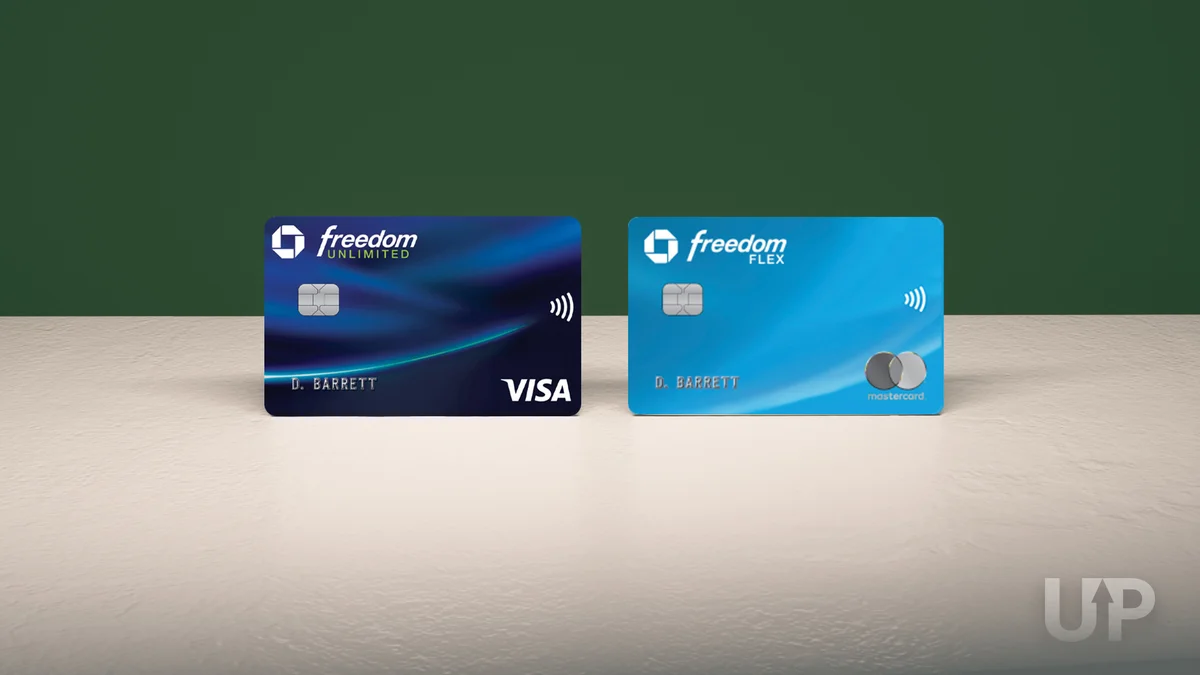
Chase Freedom Flex’s Q3 2026 categories are gas stations and EV charging, public transit, select live entertainment, and donations to United Way. Earlier in 2026, Freedom Flex categories included Amazon, Whole Foods Market, Chase Travel, dining, and Norwegian Cruise Line.
Because both issuers announce categories one quarter at a time, you can’t plan a full year of spending in advance with either card you’re reacting to whatever category shows up next. Historically, both issuers rotate through similar territory (gas, dining, grocery stores, select retailers), so the «better» card in any given quarter often comes down to which categories align with what you’re already buying.
The Real Difference: Built-In Bonus Categories Beyond the Rotation
This is where Chase Freedom Flex pulls ahead structurally. Beyond its rotating 5% categories, Freedom Flex also earns:
- 5% cash back on travel purchased through Chase Travel (no cap)
- 3% cash back on dining, including takeout and eligible delivery
- 3% cash back on drugstore purchases
Discover it Cash Back has no equivalent standing bonus categories outside the rotating 5%, everything else earns a flat 1%. So in a quarter where the rotating category doesn’t match your spending, Freedom Flex still gives you 3% on dining and drugstores, while Discover it drops you to 1% on those same purchases (unless dining or drugstores happens to be that quarter’s rotating category).
Welcome Bonus: Two Very Different Approaches
Chase Freedom Flex offers a straightforward $200 bonus after spending $500 in the first three months an easy, fast target.
Discover it Cash Back skips the traditional welcome bonus entirely in favor of its Cashback Match: at the end of your first year (12 billing cycles or 365 days, whichever is longer), Discover automatically matches, dollar-for-dollar, every bit of cash back you’ve earned with no cap. In effect, this turns the 5% rotating categories into 10% and the 1% base rate into 2% for your entire first year.
Whether this beats Chase’s flat $200 depends on how much you actually spend and earn in that first year. As a rough benchmark: if you earn more than $200 in cash back organically in your first 12 months with Discover which is easy to do maxing out just the rotating categories ($300/year) plus modest 1% base spending the Cashback Match is worth more than Chase’s bonus. Heavy spenders in particular tend to come out well ahead with Discover’s match.
APR, Fees, and Foreign Transactions
Both cards offer 0% intro APR for 15 months on purchases and balance transfers, so there’s no advantage either way here. Ongoing variable APR ranges are similar, with Freedom Flex running slightly higher at the top end (up to 27.74% vs. Discover’s 26.49%).
The clearest fee difference is on international purchases: Discover charges no foreign transaction fee, while Chase Freedom Flex charges 3%. That said, Discover’s acceptance abroad lags behind Visa and Mastercard, so this advantage matters more for occasional foreign online purchases than for travel.
Redemption and Perks
Discover it Cash Back lets you redeem cash back at any amount, any time as a statement credit, direct deposit, charitable donation, or gift cards. Rewards never expire as long as the account is open.
Chase Freedom Flex redeems Ultimate Rewards points at a flat 1 cent each for cash back (statement credit or direct deposit), with no minimum. Because it earns the same Ultimate Rewards currency as Chase’s premium travel cards, pairing Freedom Flex with a card like the Sapphire Preferred or Sapphire Reserve lets you convert your cash back into transferable travel points something Discover has no equivalent for.
Which Card Should You Choose?
Choose Discover it Cash Back if:
- You’re opening your first-ever rewards card and want to maximize year-one value through the Cashback Match
- You occasionally make foreign purchases and want to avoid the 3% fee
- You’re comfortable with Discover’s slightly narrower merchant acceptance compared to Visa/Mastercard
Choose Chase Freedom Flex if:
- You want built-in 5% travel, 3% dining, and 3% drugstore rates beyond just the rotating categories
- You already hold or plan to get a premium Chase travel card and want to convert rewards into transferable points
- You want broader merchant acceptance via the Mastercard network
Consider pairing both. Since categories often don’t perfectly overlap, some cardholders hold both cards and simply use whichever one’s active category matches their spending that quarter falling back to a flat-rate card like Citi Double Cash for anything that doesn’t fit either rotation.
Frequently Asked Questions
Do I have to activate the 5% categories every quarter on both cards? Yes. Neither card applies the 5% rate automatically you must activate each quarter through the issuer’s app, website, or by phone. Missing activation means those purchases earn only the 1% base rate for that quarter.
Which card is easier to get approved for? Both typically require good to excellent credit (generally 670+ FICO). Chase applies its unofficial «5/24» rule, which can block approval if you’ve opened five or more personal cards from any issuer in the last 24 months. Discover does not apply an equivalent rule.
Is Discover as widely accepted as Chase (Mastercard)? Discover advertises 99% acceptance among U.S. merchants that take credit cards, but international acceptance is noticeably thinner than Visa or Mastercard, which is worth factoring in if you travel internationally.
Can I hold both cards at the same time? Yes, there’s no restriction preventing you from holding both a Discover and a Chase card simultaneously, and doing so can help you capture more quarters’ worth of 5% categories across the two rotations.
The Bottom Line
Discover it Cash Back and Chase Freedom Flex both use the same rotating-category formula, but they reward different habits. Discover’s Cashback Match makes the first year exceptionally rewarding, especially for anyone who spends steadily and pays their balance in full. Freedom Flex’s built-in 5% travel and 3% dining/drugstore rates make it the stronger everyday card beyond just the rotation, and its Ultimate Rewards points offer a path into Chase’s broader travel ecosystem. If you can only pick one, weigh how much you’ll actually earn organically in year one against how much you value having bonus categories that don’t rely on the quarterly rotation lining up with your spending.
This article is for general informational purposes only and does not constitute financial or credit advice. Card terms, rates, fees, and welcome bonus offers are determined by the issuers, change frequently, and may vary based on your creditworthiness. Always review the current terms and conditions on Discover’s and Chase’s official websites before applying for any credit card. We are not a bank, lender, or registered financial advisor.